Uncategorized

Can i buy medicine  with indian prescription in UK?

Living overseas often means facing confusion about which medicines you can get where. Starting fresh in Britain with pills ordered back home? That could bring questions. A script written in India does not automatically work at London pharmacies. Instead of assuming it’s allowed, better check how cross-border rules apply here. Some drugs might be okay after a doctor’s review; others need rewriting locally. Safety matters most – even if paperwork slows things down. This guide covers the rules, skips the confusion, then shows clear paths forward. It keeps things running smoothly so worry stays out of the picture. UK Rules on Prescriptions Medicine distribution in the UK follows tight rules. To be valid, a prescription needs to meet requirements put in place by health regulators across the country because accuracy matters. Each detail on the form holds weight since mistakes can cause delays. Authorities watch closely so patients receive correct treatments. Strict checks exist not just for legality but also safety. What appears minor may actually affect outcomes down the line A prescription written in India might still hold legal weight there, yet it often won’t work straight away in a British pharmacy. Indian Prescriptions Not Valid in UK This limitation exists for a number of different causes 1. Regulatory Differences Nowhere near every nation lines up on medical rules. Approval in one place – say, India – doesn’t mean a drug clears hurdles elsewhere, like the UK. 2. Safety and Verification Checking scripts is standard for UK chemists using homegrown networks. When it comes from abroad, proof gets tricky fast. 3. Legal Compliance Breaking rules might happen if a pharmacy gives out meds without a prescription accepted in the UK. What Are Your Options?’ Just because India won’t accept foreign prescriptions doesn’t mean options vanish. Other paths open when one closes. 1. See a doctor in the UK Visit a doctor registered in the UK for the surest approach. How it works: Benefits: 2. Travel With Medications Heading to the UK from India? Medicines are allowed in your luggage. Travelers often pack prescriptions along. Just make sure they stay sealed. Carrying a doctor’s note helps too. Customs might ask questions – be ready. Original packaging works best for smooth checks. Liquid meds have limits though. Small containers fit easier in carry-ons. Always declare if unsure. Rules change sometimes without warning. Double-check before flying out. Important guidelines: For brief requirements, this choice fits just right. 3. Medicine Courier Services Finding a reliable way might mean sending medication from India to the UK using known courier companies. 👉 https://couriers24x7.com/medicine-courier-from-india-to-uk.php Why this works: However, always ensure: Shipping Medicines from India Advantages 1. Cost Savings Most drugs cost far less in India compared to the UK, particularly when used over many months. Still, prices drop even more for ongoing health needs. 2. Availability Medicines found in India might not show up on UK shelves. Sometimes, what’s common there stays rare here. A pill picked up without trouble near Mumbai could vanish entirely from British pharmacies. Availability shifts across borders like that – no warning, just difference. 3. Convenience Faster delivery brings prescriptions right to you, skipping extra trips to the clinic. Challenges To Know About Faster than walking, yet messengers might lose your package along the way Sticking close to the rules when sending packages keeps things moving smoothly. A wrong step might slow everything down without warning. Importing Medicines Into The Uk Legal Points To Know Before ordering medicines from India, understand the legal framework: Allowed: Not Allowed: Items might be taken if rules aren’t followed at the border. Choosing a dependable medicine delivery service When selecting a courier service, consider: Choosing someone reliable lowers chance of problems while keeping things moving without delays. When Not to Ship Medicines? There are situations where shipping may not be ideal: When things get tricky, a chat with a UK doctor makes more sense. Sometimes it just works out that way. Tips for a Smooth Experience Try these straightforward ideas to steer clear of trouble Frequently Asked Questions Using an Indian Prescription at a UK Pharmacy? Most of the time, pharmacies in the UK won’t fill prescriptions from abroad. Is it legal to import medicines from India? True – though just for yourself, provided you keep records straight. What happens if customs stops my medicines? Failing to follow rules could mean losing them. Is it possible for a physician in the UK to issue that exact prescription? Most times it works that way, though every now and then a different option shows up instead. Conclusion Well now, is it possible to get meds in the UK using a prescription from India? Not
Ads

What Are Ads in 2026? A Complete Guide with Pros and Cons

Introduction In today’s fast-paced digital world, advertising (Ads) has evolved far beyond traditional banners and TV commercials. As someone with over 10 years of experience in digital marketing, I’ve seen advertising transform from simple promotion into a highly data-driven, AI-powered ecosystem. In 2026, Ads are no longer just about selling products—they’re about creating personalized experiences, building brand trust, and engaging audiences across multiple platforms. Whether you are a business owner, student, or marketer, understanding Ads is essential to succeed in the modern digital landscape. What Are Ads? Ads (short for advertisements) are paid promotional messages used by businesses to reach a target audience and influence their buying decisions. These messages can appear across various platforms such as: In 2026, Ads are powered by artificial intelligence, machine learning, and user behavior tracking, making them more targeted and effective than ever before. Types of Ads in 2026 1. Search Ads These appear when users search for specific keywords. They are highly intent-based and deliver quick results. 2. Social Media Ads Platforms like Instagram and Facebook allow brands to target users based on interests, age, location, and behavior. 3. Display Ads Banner or image-based ads that appear on websites and apps. 4. Video Ads Short-form and long-form video ads dominate platforms like YouTube and reels-based apps. 5. Native Ads These ads blend seamlessly with content, making them less intrusive. 6. AI-Personalized Ads In 2026, AI creates hyper-personalized ads tailored to individual users’ preferences. How Ads Work in 2026 Modern Ads work on a combination of: For example, if someone searches for “best clothing website,” they may instantly see ads from relevant brands—this is real-time targeting. Positive Points of Ads in 2026 1. Highly Targeted Audience Ads now reach exactly the right people based on interests, behavior, and demographics. This reduces waste and increases conversions. 2. Faster Results Unlike organic marketing, ads deliver instant visibility and traffic, making them perfect for new businesses. 3. Measurable Performance You can track everything: This helps in making data-driven decisions. 4. Cost Control You can start with a small budget and scale as needed. Platforms allow daily and lifetime budget control. 5. Brand Awareness Even if users don’t buy immediately, ads help build brand recognition over time. 6. AI Automation AI tools in 2026 optimize ads automatically—improving targeting, bidding, and creatives. 7. Multiple Platform Reach You can promote your business across multiple platforms simultaneously. Negative Points of Ads in 2026 1. Increasing Competition More businesses are using ads, which increases cost-per-click (CPC) and reduces profitability. 2. Ad Fatigue Users see too many ads daily, leading to irritation and reduced engagement. 3. Privacy Concerns Stricter data privacy laws limit tracking, making targeting more challenging. 4. Dependency on Paid Traffic Businesses relying only on ads may struggle if budgets stop. 5. Requires Expertise Running successful ads is not easy. Poor strategy can lead to wasted money. 6. Rising Costs Advertising costs are increasing every year due to high demand. 7. Fake Clicks & Fraud Click fraud and bot traffic can waste ad budgets if not monitored properly. Ads vs Organic Marketing Factor Ads Organic Marketing Speed Instant results Slow growth Cost Paid Free (but time-consuming) Sustainability Short-term Long-term Control High Limited The best strategy in 2026 is to combine both. Future of Ads in 2026 and Beyond The future of advertising is more advanced and user-focused: Businesses that adapt to these trends will dominate the market. Tips to Run Successful Ads in 2026 Conclusion Ads in 2026 are smarter, faster, and more powerful than ever before. They provide incredible opportunities for businesses to grow, but they also come with challenges like rising costs and competition. If used strategically, Ads can become one of the most profitable tools in your digital marketing journey. However, relying solely on ads is risky—balance them with organic strategies for long-term success. As a digital marketer with a decade of experience, my advice is simple:Don’t just run ads—run smart ads.

SCO

What is SEO in 2026? Complete Guide with Positive and Negative Points

Introduction If you’re running a website like tdigital.in, understanding SEO is no longer optional—it’s essential. Over my 10+ years in digital marketing, I’ve seen SEO evolve from simple keyword stuffing to a highly intelligent, user-focused strategy. In 2026, SEO is smarter, faster, and more competitive than ever before. This blog will help you understand what SEO is, how it works today, and its advantages and disadvantages in the current digital landscape. What is SEO? SEO (Search Engine Optimization) is the process of improving your website’s visibility on search engines like Google, Bing, and others. The goal is simple: rank higher in search results to get more organic (free) traffic. In 2026, SEO is not just about keywords—it includes: How SEO Works in 2026 Search engines now use advanced AI systems to understand: Key Components of SEO: 1. On-Page SEO This includes optimizing: 2. Off-Page SEO Focuses on: 3. Technical SEO Covers: 4. AI & Voice SEO (New Trend) In 2026: Why SEO is Important in 2026 Positive Points of SEO in 2026 1. Long-Term Traffic Growth SEO provides consistent and long-lasting traffic. Once your website ranks, you can get visitors daily without paying for ads. 2. Cost-Effective Marketing Compared to paid ads, SEO is more affordable. You invest time and effort, but the results last longer. 3. Builds Brand Authority Ranking on the first page builds trust. Users believe top-ranking websites are more reliable. 4. Better User Experience Modern SEO focuses on: This improves overall user satisfaction. 5. High ROI (Return on Investment) SEO gives one of the best ROI in digital marketing because: 6. Supports Other Marketing Channels SEO also helps: Everything becomes more effective when your site is optimized. Negative Points of SEO in 2026 1. Takes Time to Show Results SEO is not instant. It can take: 2. Constant Algorithm Changes Search engines update algorithms frequently. What works today may not work tomorrow. 3. High Competition In 2026, almost every business is doing SEO. Ranking on the first page is harder than ever. 4. Requires Continuous Effort SEO is not one-time work. You need: 5. Risk of Penalties If you use wrong techniques like: Your website can be penalized or removed from search results. 6. Dependency on Search Engines Your traffic depends heavily on search engines. If rankings drop, traffic drops too. Latest SEO Trends in 2026 To stay ahead, you must follow current trends: 1. AI-Driven Content Optimization Search engines now understand: 2. Voice Search Optimization People search like: So content must be more conversational. 3. Video SEO Videos rank higher in search results. Platforms like YouTube play a big role. 4. Mobile-First Indexing Google mainly uses the mobile version of websites for ranking. 5. E-E-A-T Principle Experience, Expertise, Authority, Trust are very important for ranking. Tips to Improve SEO in 2026 Here are some expert tips from my experience: Conclusion SEO in 2026 is more advanced but also more rewarding. It is not just about ranking—it’s about delivering value to users. If done correctly, SEO can: However, it requires patience, strategy, and continuous learning. For your website tdigital.in, investing in SEO is one of the smartest decisions you can make today.

Website

What is a Website? Complete Guide with Pros & Cons in 2026

In today’s digital-first world, having a website is no longer optional—it’s a necessity. After spending over a decade in digital marketing, I’ve seen how websites have evolved from simple static pages into powerful business tools that drive revenue, build trust, and create global reach. If you’re just starting out or planning to build your online presence, understanding what a website is—and its advantages and disadvantages in 2026—is crucial. What is a Website? A website is a collection of interconnected web pages hosted on a server and accessible via the internet using a domain name (like tdigital.in). These pages can include text, images, videos, forms, and interactive features designed to provide information, sell products, or engage users. In simple terms, your website is your digital home or office—a place where people can learn about you, your business, your services, and connect with you anytime, from anywhere in the world. Types of Websites in 2026 Over the years, websites have diversified based on purpose and functionality. Some common types include: In 2026, most websites are mobile-first, AI-powered, and user-experience focused, making them smarter and more personalized than ever before. Key Features of a Modern Website A successful website today includes: Why Websites Matter More in 2026 The digital landscape has become more competitive, and consumers rely heavily on online research before making decisions. Whether you’re a student, entrepreneur, or business owner, a website helps you: Positive Points of a Website in 2026 1. 24/7 Online Presence Unlike a physical store, your website is always available. Customers can visit your site anytime, even outside business hours, increasing opportunities for engagement and sales. 2. Global Reach A website removes geographical boundaries. You can connect with people across different cities, countries, and continents without any physical limitations. 3. Cost-Effective Marketing Compared to traditional advertising, websites are much more affordable. With strategies like SEO, content marketing, and social media integration, you can generate traffic without spending huge budgets. 4. Builds Trust and Credibility In 2026, customers expect every brand to have a website. A professional website increases your credibility and makes your business look trustworthy and established. 5. Data & Analytics Websites allow you to track visitor behavior, such as: This data helps you improve your strategies and make better decisions. 6. Personal Branding Opportunities For students and professionals, a website acts as a personal brand platform. You can showcase your skills, portfolio, and achievements effectively. 7. Integration with AI & Automation Modern websites use AI tools like chatbots, recommendation engines, and automation systems to enhance user experience and save time. Negative Points of a Website in 2026 1. Initial Setup Cost Although websites are affordable compared to traditional marketing, there is still an initial investment required for:

Contemporary office setup featuring digital marketing strategy on a computer screen, ideal for business technology themes.
Website

What is a Website and Why It Is Important in 2026

What is a Website and Why It Is Important in 2026 Introduction In today’s fast-paced digital world, having an online presence is no longer optional—it is essential. Whether you are a student, entrepreneur, freelancer, or business owner, a website plays a crucial role in establishing your identity on the internet. As we move deeper into 2026, the importance of websites has grown significantly due to rapid technological advancements, changing consumer behavior, and the expansion of the digital economy. This blog will help you understand what a website is and why it has become more important than ever in 2026. What is a Website? A website is a collection of web pages that are accessible through the internet under a single domain name. These pages contain information such as text, images, videos, and interactive elements that users can access through browsers like Chrome, Edge, or Safari. In simple terms, a website is your digital space where you can showcase your ideas, products, services, or personal brand to the world. It acts like an online office, shop, portfolio, or even a communication platform. Types of Websites There are different types of websites based on their purpose: Each type serves a unique purpose, but all share one common goal: to connect with users online. Evolution of Websites in 2026 Websites in 2026 are not just static pages anymore. They are smart, interactive, and user-focused. With the rise of Artificial Intelligence (AI), voice search, and mobile-first design, websites have evolved into powerful digital tools. Some key trends shaping websites in 2026 include: These advancements have made websites more efficient, engaging, and essential for success. Why Websites Are Important in 2026 1. Your Digital Identity In 2026, your website is your identity online. People search for everything on the internet before making decisions. If you don’t have a website, you may lose credibility and opportunities. A website helps you: 2. 24/7 Availability Unlike physical stores or offices, a website works 24/7. Your customers can visit your website anytime, from anywhere. This means: 3. Cost-Effective Marketing Tool Traditional marketing methods are expensive and limited. A website, combined with digital marketing strategies like SEO, social media, and content marketing, offers a cost-effective way to reach a larger audience. With a website, you can: 4. Builds Credibility and Trust In 2026, customers trust businesses that have a professional website. A well-designed website with clear information, testimonials, and contact details builds confidence among users. Without a website, people may question your authenticity. 5. Better Customer Engagement Modern websites allow businesses to interact with their audience through: This improves user experience and helps build long-term relationships with customers. 6. Supports Digital Marketing Strategies A website is the foundation of all digital marketing efforts. Whether it’s SEO, email marketing, or social media campaigns, everything leads back to your website. For example: Without a website, digital marketing is incomplete. 7. Global Reach One of the biggest advantages of a website is that it allows you to reach a global audience. In 2026, businesses are no longer limited to local customers. A website helps you: 8. Data Collection and Insights Websites provide valuable data about user behavior, such as: This data helps you make better decisions and improve your marketing strategies. 9. Competitive Advantage In today’s competitive market, having a website gives you an edge over competitors who don’t have one or have poorly designed websites. A modern, fast, and user-friendly website can: 10. Personal Branding and Career Growth For students and professionals, a website acts as a personal portfolio. It helps showcase skills, projects, and achievements. In 2026, recruiters and clients often check online profiles before making decisions. A website can significantly boost your career opportunities. Future of Websites The future of websites looks even more exciting. Technologies like AI, virtual reality (VR), and augmented reality (AR) will make websites more immersive and interactive. Some future possibilities include: Websites will continue to evolve, but their importance will only increase. Conclusion In 2026, a website is not just a digital asset—it is a necessity. It represents your identity, builds trust, supports marketing efforts, and helps you grow in the digital world. Whether you are starting a business, building a personal brand, or entering the field of digital marketing, having a website is the first and most important step. If you want to succeed in the modern digital era, investing in a website is no longer a choice—it is a must. Final Thought “A website is not just about being online, it’s about being found, trusted, and remembered.” (Batch 3–5 March | TDigital Blog Series)

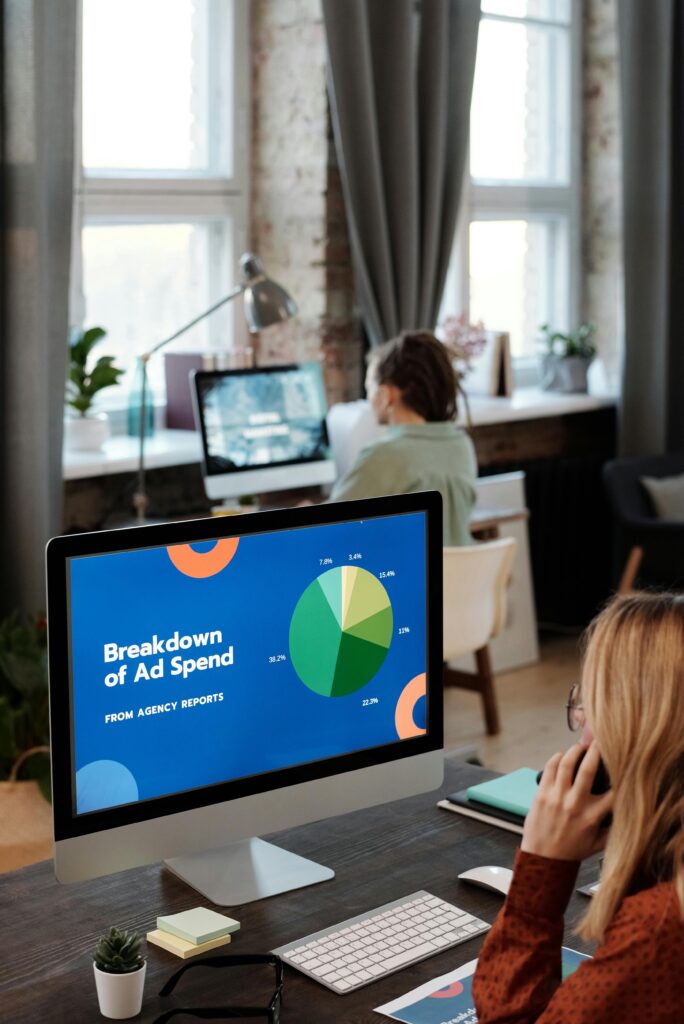
Bright office setting with computers displaying data, illustrating productivity in a workspace.
Ads

What is Ads and Why It Is Important in 2026

What is Ads and Why It Is Important in 2026 By a Digital Marketing Expert with 10+ Years of Experience Introduction In today’s fast-moving digital world, advertising (Ads) has evolved far beyond traditional banners and billboards. Businesses now use advanced digital platforms to reach their target audience more effectively and in real time. From social media campaigns to search engine ads, digital advertising in 2026 focuses on personalization, data-driven strategies, and measurable results. This transformation has made ads more impactful, allowing brands to connect with customers in smarter and more engaging ways.       online advertising types social media ads paid marketing strategies advantages of ads   As we step into 2026, Ads are no longer just about promoting products—they are about creating personalized experiences, building brand trust, and driving measurable results. With rapid advancements in AI, automation, and consumer behavior, businesses that understand and leverage Ads effectively are the ones that stay ahead of the competition. This blog will help you understand what Ads are, how they have evolved, and why they are more important than ever in 2026. What is Ads? Ads, short for advertising, refer to paid promotional messages delivered through various platforms to reach a targeted audience. These platforms include search engines, social media, websites, apps, and even connected devices like smart TVs. In simple terms, Ads are a way for businesses to:   Promote their products or services Reach potential customers Increase visibility and sales In 2026, Ads are not just “paid promotions.” They are data-driven, highly targeted, and performance-focused marketing tools. Types of Ads in 2026 1. Search Ads These appear on search engine results when users search for specific keywords. They are intent-driven and highly effective for conversions. 2. Social Media Ads Platforms like Instagram, Facebook, and LinkedIn allow businesses to target users based on interests, behavior, and demographics. 3. Display Ads These are visual ads (banners, images, videos) shown on websites and apps to build brand awareness. 4. Video Ads Short-form video ads are booming due to platforms like YouTube and reels-based content. 5. Native Ads These ads blend seamlessly with content, making them less intrusive and more engaging. 6. AI-Powered Personalized Ads In 2026, AI analyzes user behavior and delivers hyper-personalized ads in real time. Evolution of Advertising   Traditional Era: TV, radio, newspapers Digital Era (2010–2020): Google Ads, Facebook Ads Automation Era (2020–2023): Smart targeting, retargeting AI Era (2024–2026): Predictive ads, voice search ads, personalized experiences Today, Ads are smarter, faster, and more efficient than ever before. Why Ads Are Important in 2026 1. Hyper-Targeted Audience Reach In 2026, Ads allow businesses to target very specific audiences based on location, interests, online behavior, and purchase history. This means less waste and more results. 2. Instant Visibility Unlike SEO, which takes time, Ads provide immediate visibility. The moment you launch a campaign, your brand starts appearing in front of potential customers. 3. Data-Driven Decision Making Modern Ads platforms provide detailed analytics such as CTR, conversion rate, CPC, and ROAS. This data helps businesses optimize campaigns and maximize ROI. 4. Cost-Effective Marketing With proper targeting and strategy, even small businesses can run profitable campaigns. You only pay for clicks, impressions, or conversions. 5. Boosts Brand Awareness Even if users don’t click your ad, repeated exposure builds trust, recognition, and credibility. 6. Supports Business Growth Ads directly impact lead generation, sales, and customer acquisition, helping businesses scale faster. 7. Personalization at Scale Ads are tailored to individual users based on their behavior and preferences, increasing the chances of conversion. 8. Integration with AI and Automation AI helps in automatic bidding, smart targeting, ad copy generation, and performance optimization. 9. Competitive Advantage Your competitors are already using Ads. If you are not, you risk losing potential customers. 10. Measurable Results Unlike traditional marketing, Ads provide measurable results, making them more reliable and performance-driven. Challenges of Advertising in 2026 1. Increased Competition More businesses are investing in Ads, making it harder to stand out. 2. Rising Costs Cost per click is increasing in competitive industries. 3. Ad Fatigue Users may get bored of seeing the same ads repeatedly. 4. Privacy Regulations Data privacy laws are changing how targeting works. How to Succeed with Ads in 2026 1. Focus on Quality Content Create engaging and valuable ad creatives. 2. Use Strong Targeting Understand your audience deeply before running ads. 3. Test and Optimize Run A/B tests to find what works best. 4. Leverage AI Tools Use automation to improve performance. 5. Track Metrics Regularly Monitor campaigns and make necessary adjustments. Future of Ads   Voice search advertising Augmented reality (AR) ads Interactive and immersive ads Cookieless tracking solutions AI-generated creative content Conclusion Advertising in 2026 is no longer optional—it is essential. Whether you are a small business owner, startup founder, or established brand, Ads play a crucial role in your growth strategy. With advanced targeting, AI-driven optimization, and real-time analytics, Ads have become one of the most powerful tools in digital marketing. If used correctly, they can drive traffic, generate leads, increase sales, and build a strong brand. The key is to stay updated, experiment with new strategies, and focus on delivering value to your audience.

Scrabble tiles spelling 'SEO' on a wooden surface. Ideal for digital marketing themes.
SCO

What is SEO and Why It is Important in 2026

Introduction In the ever-evolving world of digital marketing, Search Engine Optimization (SEO) continues to be the backbone of online success. As we step into 2026, SEO is no longer just about ranking on search engines—it’s about delivering value, enhancing user experience, and building long-term digital authority. With over a decade of experience in digital marketing, I’ve witnessed SEO transform from keyword stuffing tactics to a sophisticated, user-centric strategy. In this blog, we’ll explore what SEO is and why it remains critically important in 2026. What is SEO? SEO (Search Engine Optimization) is the process of optimizing a website to improve its visibility on search engines like Google, Bing, and others. The primary goal of SEO is to increase organic (non-paid) traffic by ranking higher in search engine results pages (SERPs). SEO involves multiple components, including: 1. On-Page SEO This focuses on optimizing content and elements within your website, such as: 2. Off-Page SEO This involves activities outside your website that influence rankings: 3. Technical SEO This ensures that your website is easy for search engines to crawl and index: Evolution of SEO: Then vs Now SEO in 2015 was very different compared to SEO in 2026. Earlier, ranking a website was easier with basic keyword usage and backlinks. But today, search engines use AI, machine learning, and user behavior analysis to rank content. In 2026, SEO is more about: Why SEO is Important in 2026 1. Organic Traffic is Still the #1 Source Despite the rise of social media and paid ads, organic search remains the most reliable source of traffic. Websites that rank well on search engines continue to receive consistent and high-quality visitors without spending heavily on ads. 2. AI-Powered Search is Dominating Search engines now use advanced AI algorithms to understand context, intent, and user behavior. This means your content must be more relevant, informative, and engaging than ever before. SEO in 2026 focuses on: 3. Voice Search and Smart Devices With the growth of voice assistants and smart devices, people are searching differently. Instead of typing short keywords, users are asking full questions. For example:Instead of “SEO tips,” users search:“What are the best SEO strategies for small businesses in 2026?” Optimizing for voice search is now a key part of SEO. 4. Better User Experience (UX) = Better Rankings Search engines prioritize websites that offer a great user experience. This includes: A good website not only ranks higher but also keeps visitors longer, increasing conversions. 5. Builds Trust and Credibility Users trust search engines. When your website appears on the first page, it automatically builds credibility and authority. In 2026, trust signals include: 6. Cost-Effective Marketing Strategy Compared to paid advertising, SEO is a long-term and cost-effective strategy. While it requires time and effort, the results are sustainable. Once your website ranks well, you can generate leads and sales continuously without spending money on ads. 7. Local SEO is More Powerful Than Ever For small businesses and local services, local SEO is essential. People often search for services “near me,” and search engines provide highly personalized results. Optimizing your business for local search helps you: 8. Competitive Advantage In 2026, almost every business is online. If your competitors are investing in SEO and you are not, you are already behind. A strong SEO strategy helps you: 9. Content is Still King High-quality content remains the heart of SEO. However, in 2026, content must be: Blogs, videos, infographics, and guides all play a crucial role in attracting and engaging users. 10. SEO Supports Other Marketing Channels SEO doesn’t work alone. It supports and enhances other digital marketing strategies like: A well-optimized website improves the performance of all these channels. Key SEO Trends to Follow in 2026 To stay ahead in SEO, you must focus on the latest trends: Conclusion SEO in 2026 is more powerful and essential than ever before. It is no longer just a technical strategy—it is a complete approach to building a strong online presence. From improving user experience to driving organic traffic and building trust, SEO plays a vital role in digital success. As a digital marketer with 10 years of experience, my advice is simple: invest in SEO today for long-term growth tomorrow. Whether you run a small business, a startup, or a large enterprise, SEO will continue to be a key driver of success in the digital world. Final Thoughts If you want your website to grow, attract the right audience, and stay ahead of the competition, SEO is not optional—it is necessary. Start optimizing today and build a strong foundation for your digital future.

Shopping Cart
Scroll to Top